
Z-Ultimate Self Defense Studios
The Science Behind Martial Arts: Unveiling the Mechanisms That Drive Mastery
Explore the scientific principles that underpin martial arts training, including biomechanics, neuroplasticity, and psychological resilience. Discover how these elements contribute to skill acquisition and personal growth.
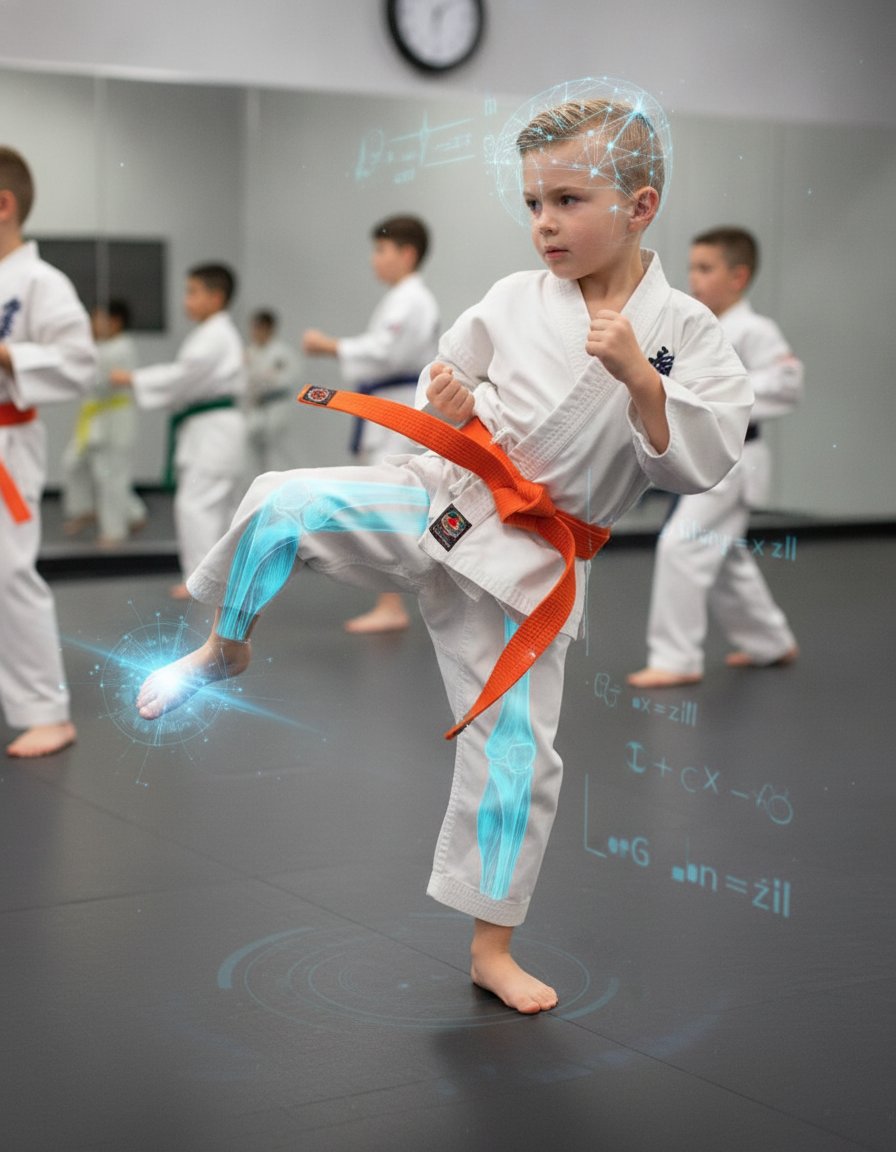
Understanding Biomechanics in Martial Arts
The study of biomechanics in martial arts provides insight into how practitioners optimize movement for speed, power, and efficiency. By understanding the mechanical aspects of body movements, martial artists can enhance their techniques for better performance.
Biomechanics involves analyzing the forces exerted by muscles and the resulting motion of body parts. This scientific approach helps martial artists refine their techniques to maximize impact while minimizing energy expenditure.
- Improved balance and coordination through targeted training.
- Enhanced power generation via optimal use of body mechanics.
Neuroplasticity: The Brain’s Role in Martial Arts Mastery
Neuroplasticity refers to the brain’s ability to reorganize itself by forming new neural connections. In the context of martial arts, this adaptability allows practitioners to learn and perfect complex techniques over time.
Regular martial arts training stimulates neuroplasticity, leading to improved cognitive functions such as memory, focus, and learning speed. This is particularly beneficial for students who practice consistently, as it accelerates skill acquisition.
- Increased ability to learn and adapt new techniques.
- Enhanced memory and concentration through repetitive practice.
Building Psychological Resilience Through Martial Arts
Martial arts training not only strengthens the body but also fortifies the mind. Practitioners develop psychological resilience, which is the ability to cope with stress and adversity.
Through rigorous training and discipline, individuals learn to maintain focus under pressure and recover quickly from setbacks. This mental toughness is a key component of martial arts mastery.
- Improved stress management and emotional regulation.
- Greater perseverance and determination in the face of challenges.
Practical Applications and Benefits
The scientific principles underpinning martial arts have practical applications that extend beyond the dojo. Biomechanics, neuroplasticity, and psychological resilience contribute to overall well-being and personal growth.
Students of martial arts often report increased self-confidence, better physical health, and enhanced mental clarity, all of which are outcomes of the scientific mechanisms in action.
- Enhanced physical fitness and functional health.
- Development of a disciplined and focused mindset.
Frequently Asked Questions
How does martial arts training enhance cognitive function?
Martial arts training stimulates neuroplasticity, which improves cognitive functions such as memory, focus, and learning speed through consistent practice.
Can martial arts help in stress management?
Yes, martial arts training builds psychological resilience, helping individuals manage stress more effectively and maintain emotional regulation.
Experience the Science-Driven Benefits of Martial Arts
Discover how our unique training programs harness scientific principles to enhance your physical and mental capabilities. Join us for a free 30-day test drive and experience the transformative power of martial arts firsthand.