
Z-Ultimate Self Defense Studios
The History of Kung Fu: Tracing the Roots of an Ancient Martial Art
Explore the fascinating history of Kung Fu, an ancient martial art that has evolved over centuries. Understand its cultural significance, development, and how it continues to influence modern martial arts practices.
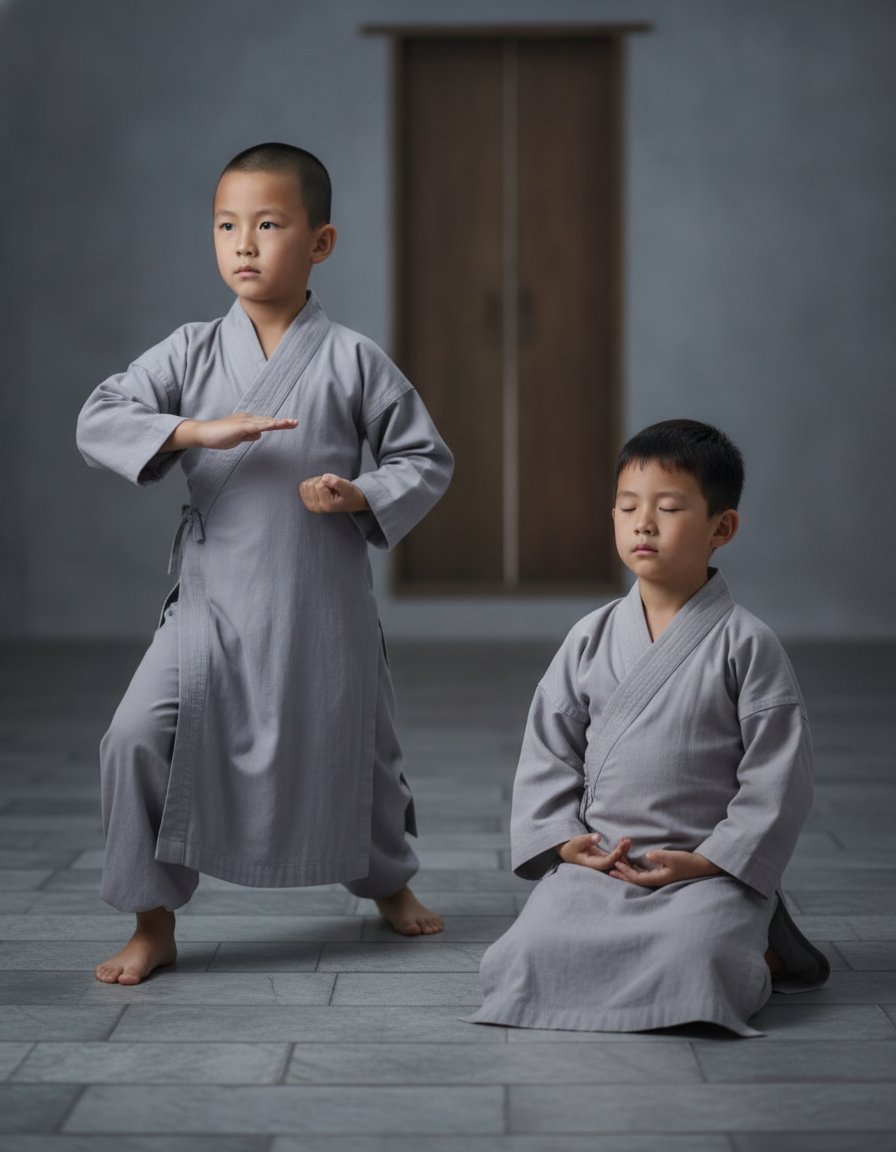
Origins of Kung Fu
Kung Fu, a martial art with a rich history, finds its roots in ancient China. It is believed that the origins of Kung Fu date back to the Xia and Shang dynasties, making it one of the oldest martial arts in existence. The term ‘Kung Fu’ itself translates to ‘skill achieved through hard work,’ reflecting the dedication required to master this art form.
Early Kung Fu was influenced by the philosophical teachings of Confucianism, Taoism, and Buddhism. These philosophies emphasized balance, harmony, and self-discipline, which are core components of Kung Fu training. The Shaolin Temple played a pivotal role in the development and dissemination of Kung Fu, where monks practiced martial arts as a means of physical exercise and spiritual development.
- Kung Fu dates back to ancient Chinese dynasties.
- Influenced by Confucianism, Taoism, and Buddhism.
- The Shaolin Temple was instrumental in its development.
Evolution and Styles
Throughout history, Kung Fu has evolved into numerous styles, each with its own unique techniques and philosophies. Some of the most well-known styles include Wing Chun, Tai Chi, and Shaolin Kung Fu, each offering distinct approaches to combat and self-defense.
This diversification has allowed Kung Fu to adapt and remain relevant through the centuries. The ability to evolve while maintaining core principles is a testament to its resilience and cultural significance.
- Kung Fu has diversified into numerous styles.
- Notable styles include Wing Chun, Tai Chi, and Shaolin Kung Fu.
- Adaptability has kept Kung Fu relevant over centuries.
Modern Influence and Practice
Today, Kung Fu is practiced worldwide and has influenced various aspects of popular culture, including cinema, literature, and modern martial arts. Its principles of self-discipline, respect, and mental resilience continue to attract practitioners from all walks of life.
Modern Kung Fu schools, like Z-Ultimate Self Defense Studios, emphasize personalized instruction to cater to individual goals and abilities. This approach not only preserves the traditional elements of Kung Fu but also enhances its applicability in contemporary settings.
- Kung Fu has a global presence and cultural influence.
- Key principles include self-discipline and mental resilience.
- Modern schools focus on personalized instruction.
Frequently Asked Questions
What is the significance of the Shaolin Temple in Kung Fu history?
The Shaolin Temple is crucial in Kung Fu history as it was a center for martial arts training, where monks developed and practiced many Kung Fu techniques that are still used today.
How has Kung Fu influenced modern martial arts?
Kung Fu has significantly influenced modern martial arts by introducing concepts of balance, harmony, and self-discipline, which are integral to various martial art forms practiced globally.
Experience the Legacy of Kung Fu Today
Discover the rich history and enduring legacy of Kung Fu by enrolling in a class at Z-Ultimate Self Defense Studios. Join us to experience personalized martial arts training that honors traditional practices while adapting to modern needs.